
Dear clients.
We are returning to our Kippax Clinic.
From 9th February 2026 all appointments will be at
76 Hardwick Cres, Kippax.
All of our other details remain the same
 6254 9889
 kippax@tmphysio.com.au
 www.tmphysio.com.au
Our Deakin clinic continues to be open as normal. Our team looks forward to seeing you in the new rooms!
Thank you.
The TM team alv

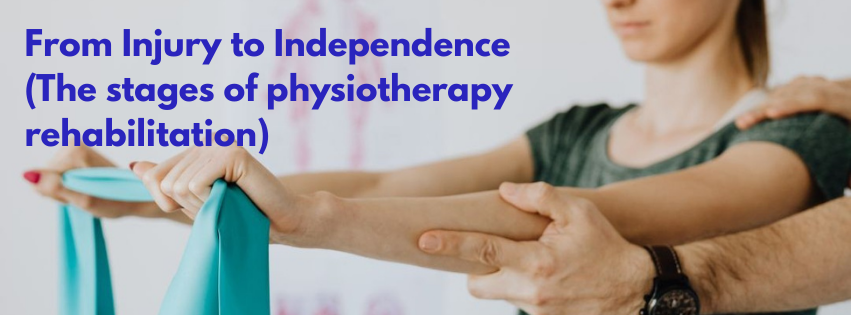
From Injury to Independence
(The stages of physiotherapy rehabilitation) It usually starts innocently enough. One awkward step, one rushed lift, one “I’ll be fine” moment and…

Physiotherapy for Rotator Cuff Injuries
Regaining Shoulder Strength You were reaching up to grab something from the top shelf — perhaps a cereal box, perhaps…
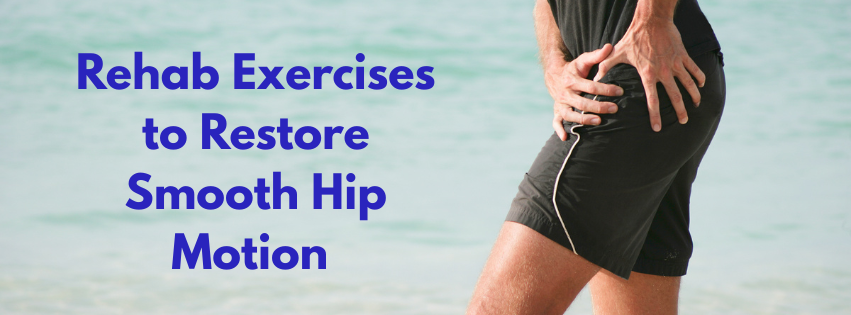
Rehab Exercises to Restore Smooth Hip Motion
Do you feel stiffness, discomfort, or a grinding sensation every time you move your hip? These symptoms can make walking,…


⚖️ As we get older, small changes in strength, coordination, or reaction time can increase the risk of falls. Even minor slips can have major consequences, so preventing them is key.
The good news? Simple exercises done regularly can make a big difference.
Try these for safer movement:
🦶 Single-leg stands – hold onto a chair for support if needed, aim for 20–30 seconds each side.
🏃 Heel-to-toe walking – practice walking in a straight line, placing the heel of one foot just in front of the toes of the other.
🪑 Sit-to-stand – slowly rise from a chair and sit back down 10–15 times to strengthen legs and core.
🧘 Heel raises – lift onto your toes and slowly lower, improving ankle stability.
🌀 Gentle weight shifts – sway side to side or forward/back to challenge your balance safely.
Our physiotherapists can tailor these and other exercises to your needs, helping you move confidently and reduce fall risk.
Book a session with one of our physiotherapists at TM Physio today. Call us on 6282 5898 (Deakin) or 6254 9889 (Kippax) to get started. 📞
#physio #Physiotherapy #balance #mobility #fallsprevention #strength #movementsafety

🪑 Desk Job Survival Guide: a physiotherapist’s top 5 mobility moves
If your job description includes “professional sitter”, this one’s for you. Humans were not designed to fold themselves into a chair for eight hours straight, yet here we are. The good news? A few simple mobility exercises can help undo some of the damage.
Neck rotations to remind your head it’s allowed to move in more than one direction. Thoracic spine rotations to counteract the slow transformation into a question mark. Hip flexor stretches because chairs love tightening them for sport. (Although we won’t judge you if you save these ones for when you’ve got a meeting room to yourself.) Shoulder rolls to reintroduce your shoulders to life outside your ears. And gentle spinal extensions to reassure your back that it still has options.
Do them lightly and often. Your body prefers regular movement snacks over one heroic stretch session at 9pm when you remember you exist.
If desk aches are becoming a daily companion, our physiotherapists can help tailor the right mix of mobility and strength for your body and your work setup.
Call 6282 5898 (Deakin) or 6254 9889 (Kippax) to book an appointment here at TM Physio 📞
#Physio #Physiotherapy #DeskJob #OfficeLife #Mobility #Posture #MoveMore
Recovery is rarely loud or dramatic. Sometimes it’s one extra step without pain. Sometimes it’s lifting your arm a little higher than last week. Sometimes it’s simply showing up and trying again.
For people recovering from injury, surgery, or living with persistent pain, progress isn’t about smashing PBs. It’s about rebuilding confidence in your body, restoring movement bit by bit, and trusting that consistency beats perfection every time.
Our physiotherapists see this daily. Tiny improvements add up. Nervous systems calm. Muscles relearn. Joints move more freely. What feels small now is often the foundation for much bigger changes later.
So if today’s win feels modest, it still counts. And if you’re unsure what the right next step is, that’s where we come in. Thoughtful, personalised rehab makes progress feel possible again.
☎ Book online at www.tmphysio.com.au/.
#Physio #Physiotherapy #RehabJourney #InjuryRecovery #ChronicPainSupport #MovementConfidence #ProgressNotPerfection
Through consistent physiotherapy, you can literally rewire how your body moves. 🧠➡️🏃♂️
That’s not just a motivational line; it’s neuroscience. Repeated, well-guided movement helps your brain form new neural pathways, a process called neuroplasticity. In simple terms, your nervous system learns safer, more efficient ways to move, replacing old habits that may have developed after injury, pain, or surgery.
Our physiotherapists use this purposefully. Specific exercises, gradual loading, and repetition help retrain movement patterns, improve coordination, and rebuild trust between your brain and body. Over time, movements that once felt stiff, awkward, or painful can start to feel smoother and more natural again.
If you’re unsure what your body needs right now, call [6282 5898 (Deakin) or 6254 9889 (Kippax) to make an appointment with our physiotherapists or exercise physiologist 📞 - we’ll help you move smarter, safer, and stronger.
#Physio #Physiotherapy #Neuroplasticity #MovementRetraining #InjuryRecovery #PainManagement #MovementConfidence
🌟 We are delighted to introduce our newest physiotherapist Wagen and welcome her to the TM team.🌟
Wagen has a strong interest in lower back pain and spinal conditions. With a background in Pilates and yoga, she values movement quality and encourages clients to build strength and confidence gradually. Outside of work, you’ll find her swimming 🏊♀️, cycling around Canberra 🚲, or enjoying a game of tennis 🎾.
Book online at www.tmphysio.com.au/ or call us on 6254 9889 to make a booking with Wagen!
📚 Word of the Day: Mandible /ˈmandɪbəl/
The word mandible comes from the Latin mandibula, meaning ‘jaw’ or quite literally “that which chews”, from mandere, meaning to chew. ‘Mandere’ itself traces back to an earlier Proto-Indo-European root ‘mendh’, associated with chewing and grinding.
It entered English in the early 15th century, originally used in anatomy and zoology to describe the lower jaw in humans, animals, and even insects.
In humans, the mandible is the largest and strongest bone of the face. It plays a crucial role in chewing, speaking, and facial expression, and it forms part of the temporomandibular joint (TMJ), which connects the jaw to the skull.
Because it’s so involved in everyday movement, the mandible can be affected by muscle tension, posture, and stress - making it a fascinating focus in physiotherapy and jaw-related care.
Got a favourite anatomy word? Tell us below 👇
#Physio #Physiotherapy #WordOfTheDay #Anatomy #TMJ #Mandible